Take a Breath First
Water where it should not be is scary. A toilet that keeps rising, a kitchen sink that gurgles, a basement floor drain that bubbles up: all of it feels urgent, and it is okay to feel rattled. You do not have to sort this out alone.
Authorsrough Plumbing is a referral service for homeowners in Independence, MO and the Independence area. We do not do the plumbing ourselves. We connect you with independent local providers in our network who handle emergency plumbing, sewer line repair and drain cleaning services.
Here is the simple first step. If water is flowing and you can reach the main shutoff valve, turn it off. Then Request a callback to check provider availability. Hours vary by provider, so availability depends on who is open near you, and many providers can respond quickly.
Get Started
If the problem is slower, like a drain that drains sluggishly, you can request an estimate instead. There is no obligation. Describe what is happening, and the provider can talk through next steps and give you a written quote before any work begins.
Whether this is your first plumbing scare or your fifth, we keep the process plain and the steps small.
How It Works
A referral, not a repair crew
Authorsrough Plumbing does not send out trucks and does not do the work. We are a link between you and independent plumbing providers who serve your part of the Independence area. Each provider runs its own business, sets its own prices and decides its own schedule.
The path from worry to plan
You tell us what is going on. You can use the request form, or Request a callback to check provider availability. A provider in our network then reaches out or takes your call. They ask a few questions, explain what they think is happening and describe what a visit may involve.
You stay in charge the whole way. You can ask for a written quote, compare it with your own research and say no. Requesting an estimate carries no obligation.
Why seasons matter to us
Plumbing trouble is not random. Cold winters with deep frost stress buried lines and exposed pipes. Spring thaw and heavy rain push groundwater toward basements. Summer storms can overload sewers, and humid heat can speed up odors and roots. Knowing the season helps you describe the problem better, and it helps a provider plan the work.
What to have ready
- The spot where you see water, smell sewage or hear gurgling
- Whether the problem is one fixture or the whole house
- Where your main shutoff valve is, if you know
- A few photos, if it is safe to take them
You do not need plumbing words. Plain description works fine. "The basement drain is bubbling after rain" tells a provider a lot.
Serving Homes Across Independence
Authorsrough Plumbing focuses on Independence, MO and the Independence area. That matters, because homes here share certain habits. Many are frame houses that have stood for decades, along with bungalows and ranch homes. Most have full basements, and many of those rely on a sump pump to stay dry.
Older houses often have older pipes. Cast iron, clay and early plastic all age differently. Tree roots reach into old sewer lines. Deep winter frost can shift the ground and strain joints. In spring, melting snow and heavy rain can overwhelm a sump pump or push water up through a floor drain.
Severe thunderstorms and hail add another twist. Power can drop, and a sump pump that needs electricity stops working at the worst moment. Storm water can also fill the municipal sewer, which may back up into a lower-level drain.
Providers in our network know these local patterns. They have seen the same problems on neighboring streets.
If you are not sure how serious your problem is, you can ask for a plain-language opinion before you decide anything.
Get Started
Tell us the town, the symptoms and the age of your home if you know it. That is enough to start.
A Seasonal Guide for First-Time Homeowners
Start with the calendar
If you just bought your first home, nobody hands you a plumbing manual. Here is a short one. Pipes and drains behave differently in each season, and a little planning can turn a crisis into a minor repair.
Winter: frozen pipes and deep frost
Cold snaps can turn water in a pipe to ice. Ice swells, and pipes can split. Pipes along outside walls, in crawl spaces and in unheated corners are most at risk. If a faucet slows to a trickle on a cold morning, shut off the water and contact a provider before the thaw reveals a crack.
Spring: thaw, rain and sump pumps
Melting snow and spring flooding send water toward your foundation. Pour a bucket of water into your sump pit to test the pump. If it does not start, or the water rises, that is worth a call to a provider. Floor drains that gurgle in spring may point to a stressed sewer line.
Summer: storms, hail and humid heat
Thunderstorms can knock out power and overload sewers. Heat and humidity make a sewage smell stronger, and they can wear on pipes in damp basements. After a big storm, check your basement floor and drains.
Fall: a short readiness list
- Disconnect outdoor hoses
- Clear leaves from gutters and drain covers
- Find your main shutoff valve
- Test your sump pump again
- Note any slow drains to mention to a provider
If you may need help outside normal business hours, remember that availability varies by provider, so ask what is open near you.
Older houses and what hides inside
Homes from many decades ago may have clay or cast iron sewer lines. These can crack, shift or fill with roots. Slow drains in several rooms at once often point to the main line rather than a single clog. A camera inspection can show what is really down there.
First-timer step one: know your shutoff
Find the main water shutoff valve today, before you need it. It is often near the water meter or where the line enters the house. Turn it once to be sure it moves. In an emergency, shutting off the water is the smartest first move you can make for yourself, and it limits damage while you wait.
What to tell the provider
Say where the problem is, what you see and smell, and what you have already tried. Mention if water is still running. Mention the age of the house. Ask about trip charges, what the quote covers and whether work needs a permit.
Typical costs and a written quote
Costs vary by job. In the U.S., basic drain clearing often runs from about $100 to $600. Sewer line repair can range from around a thousand dollars to well over ten thousand, depending on depth and method. Emergency visits may cost more. Always ask for a written quote.
A note about insurance
Some policies may cover sudden damage, while gradual wear is often excluded. Check your policy. Providers can often help document damage for a claim, so take photos before anything is moved.
Ready When You Are
Not sure what to do next? That is a normal place to be. Describe the problem, and a provider in our network can help you figure out the next step. Request a callback to check provider availability, or send a request through the form.
Get Started
You can also email contact@authorsrough.property with your town, the symptoms and a few photos. Hours vary by provider, so replies depend on who is available near you.
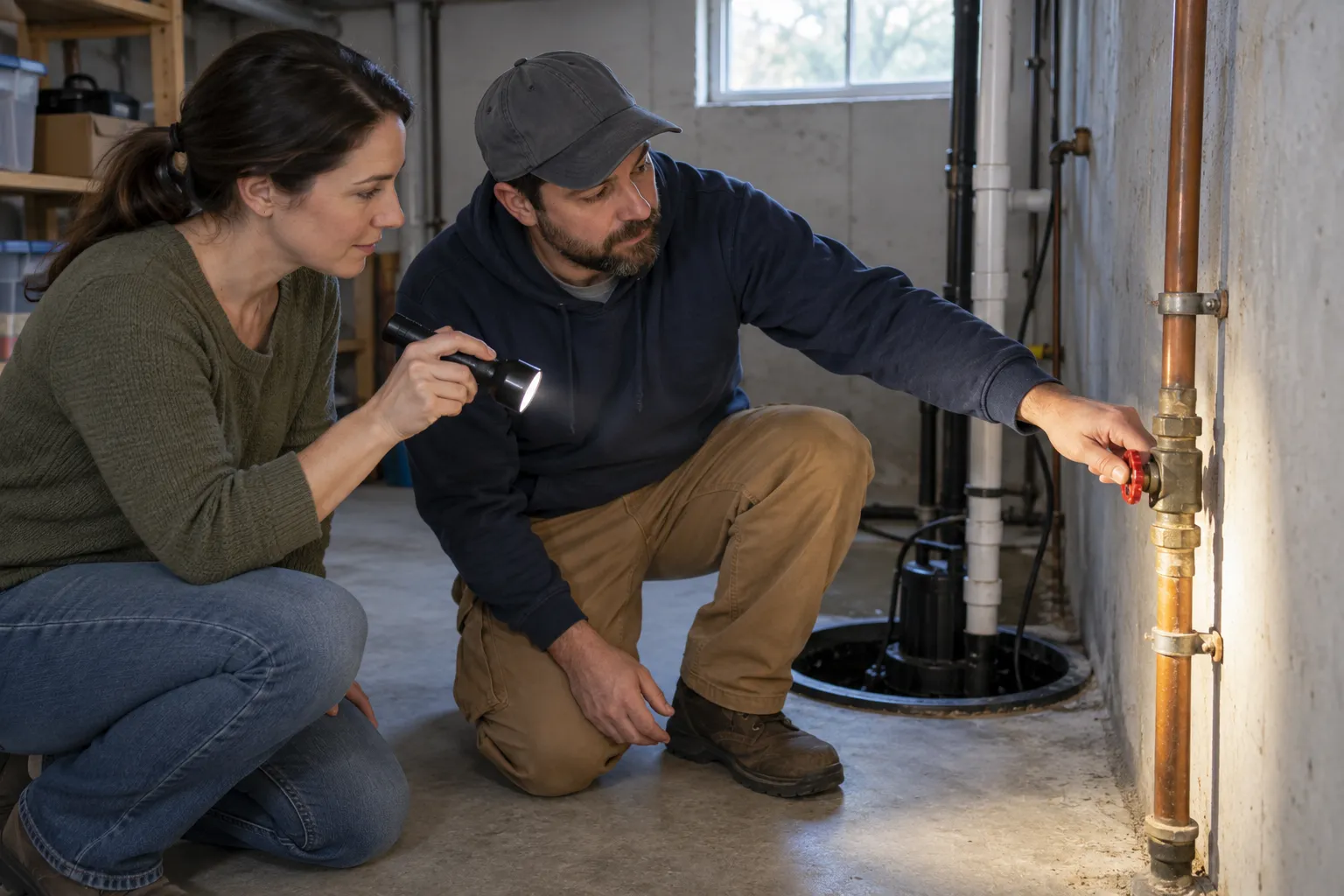 Emergency PlumbingA burst pipe or sudden leak is stressful, and we can point you to a local provider.
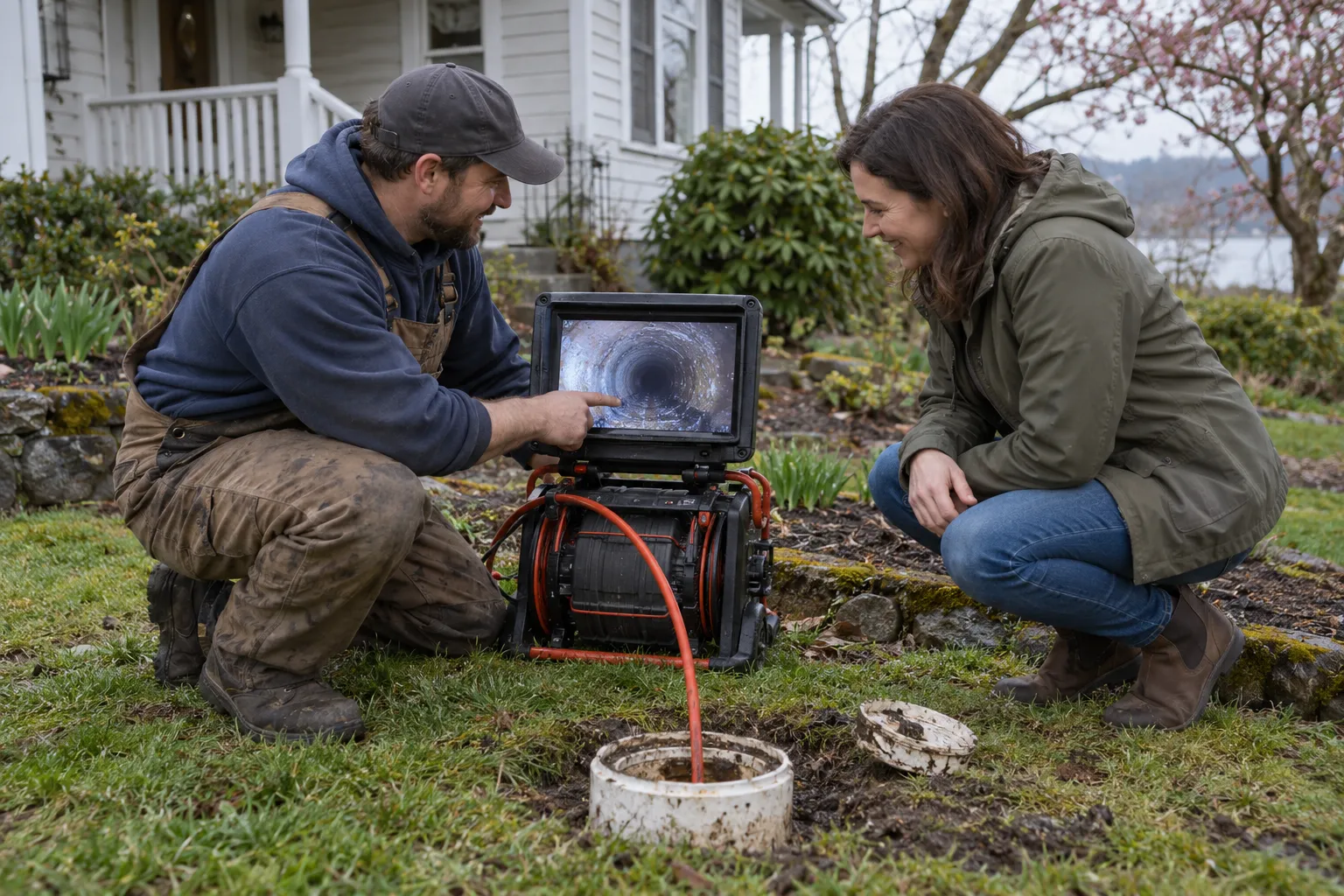 Sewer Line RepairA sewer problem feels huge, but the next steps are simple, and a local provider can walk you through them.
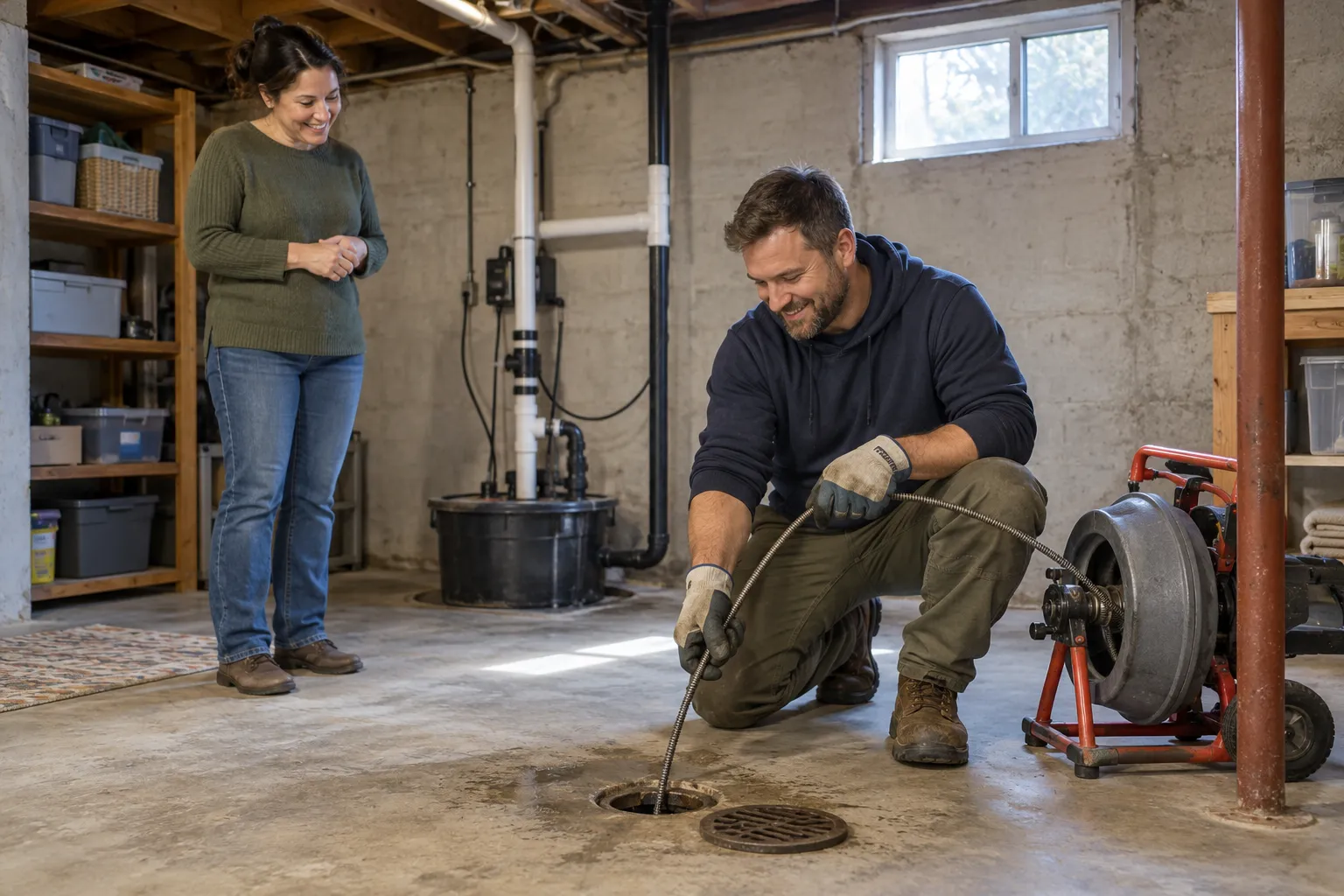 Drain Cleaning ServicesA slow or blocked drain is stressful, but a local provider can find the cause and clear it.